

A consistent increase in operating cash inflows can signal growth and operational efficiency, while a decline may indicate underlying issues that need to be Opening Entry addressed. Cash inflows are reported in a cash flow statement, categorized into operating, investing, and financing activities. Each category shows where the cash inflows originated, providing a complete picture of the business’s cash flow. Cash outflow is the money leaving a business, spent on expenses, investments, and debt payments that are crucial for operational sustainability. It’s vital for financial management, representing the company’s ability to allocate resources effectively to maintain operations and pursue expansion.
tips for cash flow management
By tracking inflows, you bookkeeping can quickly see the gap, chase the overdue payments, and adjust your spending if needed to stay afloat. Let’s say a business sells £10,000 worth of goods on credit in January, and the customer pays for the order in February. The business would record £10,000 in revenue in January, at the time of the sale, and it would record £10,000 in cash inflows in February when the customer pays. Cash inflows and revenue both involve money coming into a business, but they’re distinct concepts with different meanings and roles in financial management. Cash inflows measure money movement, while revenue measures earning activity.
- Since we received proceeds from the loan, we record it as a $7,500 increase to cash on hand.
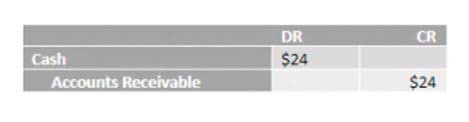
- A significant source of inflow involves the collection of accounts receivable balances.
- Now that you are aware of how vital business cash flow is, managing it properly should be on top of your list.
- You will arrive at net cash flow when you deduct the cash outflow from the cash inflow for a specified period.
- These products are not suitable for everyone and you should therefore consider your objectives, financial situation, needs and experience with these products before investing in them.
Convert Your Cash-Basis Books to Accrual at Tax Time

For many business owners, there is a recurrence of purchases and sales, inventory, receivables, and payables. Each of these transactions affects your cash flow, and they need close monitoring and evaluation. A business research report published last year showed that up to 60 percent of small businesses in America have cash flow challenges. At least 82 percent of the respondents lamented that their business operations got disrupted because of an adverse cash outflow scenario. Companies should keep enough cash to cover business expenses for three to six months. To find out how much you need, review your cash flow statements from the past few months or years.
Video Explanation Of Cash Flow
- This is the final piece of the puzzle when linking the three financial statements.
- Ask for a deposit and establish milestones to avoid burning out your resources.
- Unlike profits, which can look good on paper but remain unpaid for weeks or months, cash flow focuses on actual cash transactions—what you’ve received and what you’ve paid.
- It lets you see if you have enough resources to pay for your business operations—like rent, supplies, employee wages, and other operational costs.
More established corporations might be able to draw up a cash flow statement once a quarter, but it’s not the same for startups with a limited runway and higher stakes. For businesses involved in international trade, exchange rate fluctuations can impact the value of cash inflows. Unfavorable payment terms with suppliers may require businesses to pay upfront or within a short cash inflow vs outflow period, impacting available cash.
- Keep in mind that cash outflow for interest payments is recorded as an operating activity, not financing on a balance sheet.
- The most basic form of cash flow reporting is the standard cash flow statement (or statement of cash flows).
- Vedantu provides detailed lessons and practical examples in these areas.
- This includes liquidating investments in joint ventures or subsidiaries.
- But when a project is spread over a long period of time, the more difficult it is to pay bills to enable the project to continue.
- Learn how to build, read, and use financial statements for your business so you can make more informed decisions.
- This formula reveals whether your business brought in more cash than it spent during the period you’re measuring.
This comprehensive program offers over 16 hours of expert-led video tutorials, guiding you through the preparation and analysis of income statements, balance sheets, and cash flow statements. Gain hands-on experience with Excel-based financial modeling, real-world case studies, and downloadable templates. Upon completion, earn a recognized certificate to enhance your career prospects in finance and investment.


Free cash flow (FCF) represents the amount of cash left over after all normal operating activities and investments necessary to maintain a business’s capital assets have been accounted for. If they made $2000 in sales and paid $400 in operational costs (like payroll or rent), their operating cash flow would be $1600. This could then be used to cover other operational costs, help free up more capital, or more. This includes payments for expenses such as rent, taxes, salaries, supplies, and inventory.
